Using Data to Catalyze Community Action
Content Reference

Highlighting four local organizations that are training and partnering with youth to shape community-informed solutions.
Body

We’re excited to introduce the 30 community-based organizations selected for the 2025 Local Data for Equitable Communities program. Each organization will receive a $50,000 grant to lead a local project focused on improving conditions in their communities, such as housing quality, access to healthy

To strengthen their efforts to narrow persistent health inequities, health systems should aim to build trust with the communities they serve. By building authentic relationships with community members, they can better share understanding of the key drivers of health outcomes as well as what
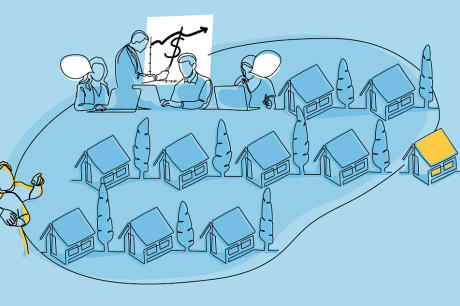
This first survey provides a foundation for Family Housing Fund and CURA to expand the survey to obtain more responses in North Minneapolis and in other communities in the region to solidify their understanding of tenants’ experiences and to inform policies.

A non-profit leverages community-engaged research to shift narratives around youth overweight and obesity to highlight community factors.

Building the capacity of residents to collect, analyze, and apply data about the issues that directly affect them can support nascent organizing movements and strengthen existing ones in these communities.

In Cook County, Georgia, one organization skillfully used data to address health equity for residents.